
A Golfer's Guide to Winter Nutrition: Staying Energized on the Course
Why Cold Weather Changes Your Fuel Needs
There is something special about the crisp air and quiet stillness of a winter golf round. But playing in the cold asks more from your body than you might think. Your body works harder just to stay warm through a process called thermogenesis, which is like an internal furnace burning extra fuel. This means the energy you would normally use for your swing is also being used to maintain your core temperature, making your winter golf nutrition plan essential.
Another challenge is hidden dehydration. The cold, dry air makes you lose more water through breathing, and chilly temperatures can suppress your thirst signal, so you might not feel thirsty even when you need fluids. As research from Skratch Labs highlights, cold can also trigger something called cold-induced diuresis, which is a fancy way of saying it makes you need to urinate more often. This combination accelerates fluid loss.
For a golfer, this matters immensely. Even slight dehydration can lead to shaky hands on a crucial putt, a loss of focus when lining up a shot, and a noticeable drop in power. Understanding these unique physical demands is the first step. Following the right golf hydration tips ensures your body has what it needs to perform, even when the temperature drops.
Your Pre-Round Nutrition Game Plan

A strong winter round starts long before you step onto the first tee. Having a simple and effective nutrition plan sets you up for sustained energy and focus. Think of it as packing your fuel tank correctly for the journey ahead. Here is a straightforward approach to what to eat for winter golf.
Start Hydrated: The Morning Routine
Your hydration should begin the moment you wake up. Before coffee or breakfast, drink one or two large glasses of water to start rehydrating your body after a night's sleep. A performance guide from Gatorade suggests a specific fluid intake, but a simple way to check is the urine colour test. Aim for a pale yellow colour, which indicates you are well-hydrated.
The Main Event: Your Pre-Round Meal
About three to four hours before your tee time, eat a balanced meal rich in complex carbohydrates and lean protein. This combination provides slow-release energy that will last through the front nine. Good options include a bowl of oatmeal with fruit and nuts, scrambled eggs with whole-wheat toast, or a turkey sandwich on whole-wheat bread. These meals give you lasting fuel without feeling heavy.
The Final Top-Off: Last-Minute Energy
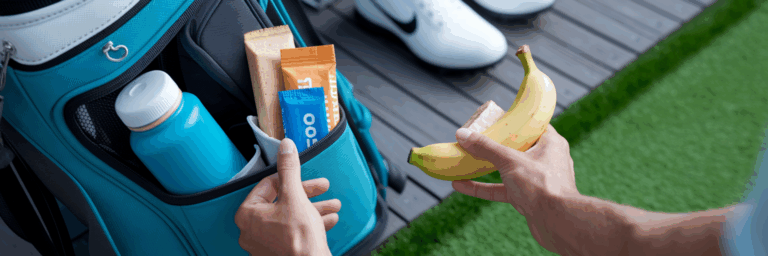
In the hour before you head to the first tee, have a small, easily digestible snack. This is not a meal but a final top-off to ensure your energy levels are at their peak. A banana, a small granola bar, or a handful of dried fruit works perfectly. This quick carbohydrate boost gives you readily available energy for those first few holes.
Fueling Your Game from Tee to Green
Once you are on the course, the key is to maintain your energy, not just react to hunger. The best strategy is to fuel little and often. Aim to have a small, carbohydrate-based snack every 45 to 60 minutes or every four to five holes. This prevents energy dips and keeps your mind sharp from the first drive to the final putt.
Choose snacks that are easy to handle, especially if you are wearing gloves. Trail mix with nuts and dried fruit, energy chews, or a peanut butter sandwich cut into small squares are excellent choices because they resist freezing and are convenient to eat. Keeping snacks in your pocket can also help keep them from getting too cold.
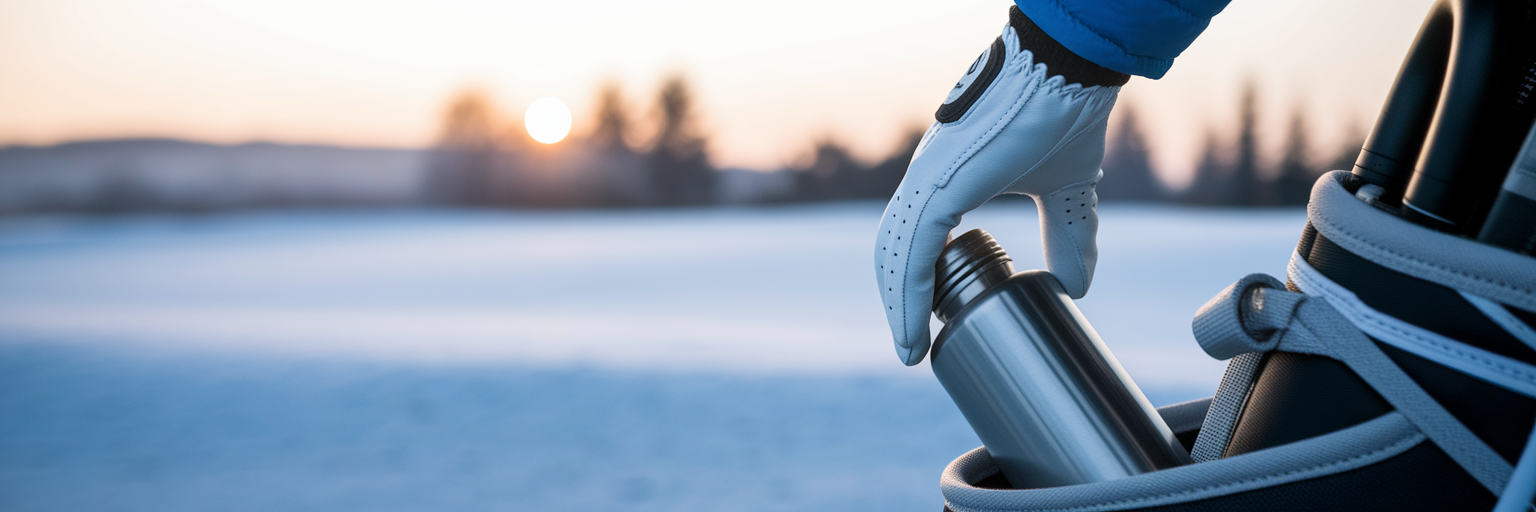
Warm drinks are one of your best assets for staying warm on the golf course. An insulated flask filled with warm water, herbal tea with a bit of honey, or a warm electrolyte drink serves two purposes. It helps with hydration and raises your core body temperature, keeping your muscles loose and ready for your next swing. Avoid heavy or fatty foods that are difficult to digest, and limit caffeine and alcohol, as both can contribute to dehydration.
| Snack Type | Key Benefit | Practical Tip |
|---|---|---|
| Warm Electrolyte Drink | Hydration & Core Temperature | Use an insulated flask to keep it warm for hours. |
| Banana | Quick-Release Carbs & Potassium | Easy to peel even with cold hands; prevents cramping. |
| Trail Mix (Nuts & Dried Fruit) | Sustained Energy & Healthy Fats | Pre-portion into small bags for easy access every few holes. |
| Peanut Butter Sandwich (quartered) | Carbs, Protein & Fat Combo | Cut into small squares to avoid a mess and make it easy to eat. |
| Energy Gels or Chews | Fast-Acting Glucose Boost | Keep one in your pocket to warm it slightly and prevent freezing. |
Note: These snacks are chosen for their balance of convenience, resistance to cold, and ability to provide sustained energy without causing digestive issues during a round.
Post-Round Recovery for a Strong Finish

What you do after your round is just as important as what you do before and during. The final step in a successful day of winter golf is recovery. Your body has worked hard to play well and stay warm, so it needs help repairing muscles and replenishing energy stores. Neglecting this step can leave you feeling tired and sore the next day.
Start by rehydrating as soon as you get back to the clubhouse or your car. Drink at least two large glasses of water or an electrolyte replacement drink to restore the fluids you lost on the course. Following that, focus on nutrition within the first 60 to 90 minutes. This is often called the "recovery window" because your body is most receptive to nutrients during this time.
Your recovery meal or snack should contain a mix of carbohydrates to restock your energy reserves and protein to repair muscle tissue. Simple and satisfying options include a protein shake, a bowl of Greek yogurt with berries, or a warm bowl of chili. Proper recovery is an essential, yet often overlooked, part of learning how to play golf effectively, as it ensures you can play consistently without fatigue or injury.
Putting It All Together for a Great Winter Round
Knowing how to fuel your body for cold conditions can transform your winter golf experience from a chilly challenge into an enjoyable outing. By planning ahead, you can stay energized, focused, and comfortable from start to finish. To make it easy, think about assembling a simple "Winter Golf Fuel Pack" before you leave home.
Your pack should include:
- An insulated flask with a warm drink.
- Two or three pre-portioned snacks for the course.
- A water bottle for additional hydration.
- A recovery snack and drink for after your round.
The core principles of winter golf nutrition are simple. First, hydrate before you feel thirsty. Second, fuel before you feel hungry. And third, recover as soon as you finish. Turning these into habits is a key part of learning how to play golf in cold weather. With the right fuel, you can embrace the unique beauty of a winter round, play with confidence, and truly enjoy the game no matter the season. Understanding how to play golf is not just about the swing, it is about preparing your body for success.

 English
  German