
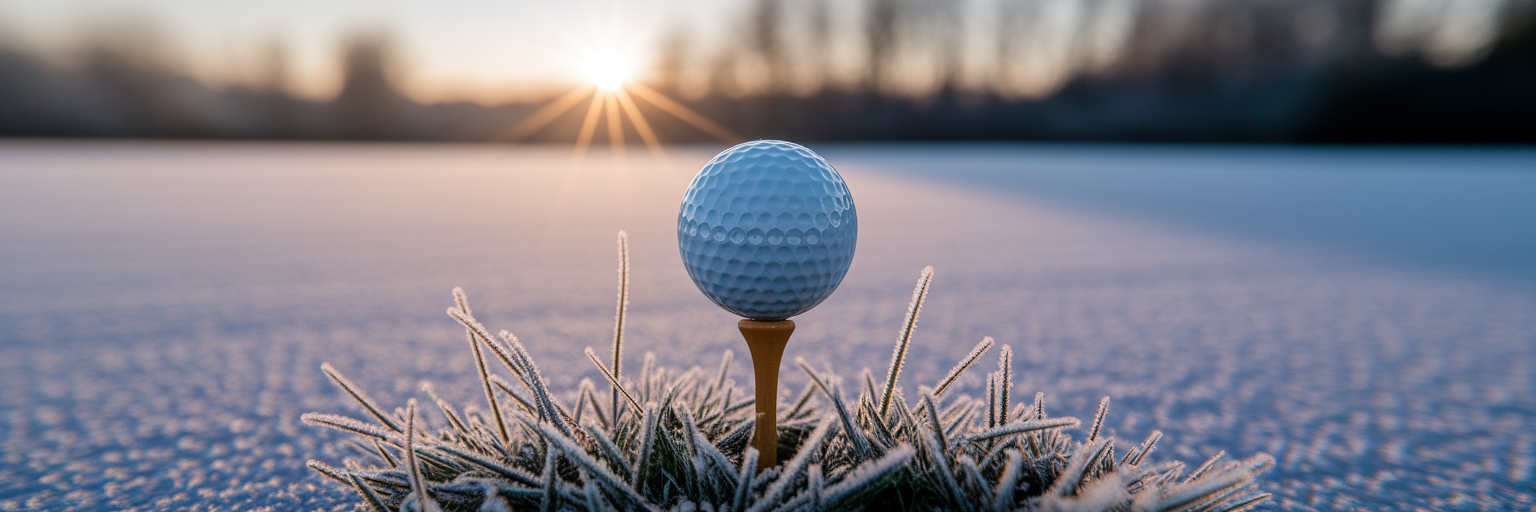
Keeping Your Swing Smooth in Cold Weather
Playing golf through the winter shows a true love for the game. While many pack their clubs away, you see an opportunity to enjoy the course in a different light.
Winter golf is not a problem to be solved, but a unique experience to adapt to. The crisp air and quiet fairways offer a peaceful round, but they also introduce new challenges. The air is denser, your muscles are colder, and your equipment responds differently. With a few smart adjustments, you can have a fantastic and successful round. Learning how to play golf effectively in all seasons is a sign of a truly dedicated player, and we are here to guide you through it.
Understanding Cold Weather's Impact on Your Game
Before changing your swing, it helps to know why the cold affects your game. It comes down to simple physics and biology. First, the air itself becomes an obstacle. Colder air is denser, which creates more drag on the golf ball as it flies. This resistance can shorten your shots, typically reducing distance by one or two yards for every 10°F drop in temperature. That 7-iron shot that perfectly reaches the green in summer might land in the front bunker during winter.
Your body also reacts to the cold. Muscles and joints become tighter and less flexible, which can limit your ability to rotate smoothly. This stiffness makes a fluid swing much harder to achieve and can lead to inconsistent shots. Finally, your equipment changes. Golf grips harden and feel slick, making it difficult to hold the club securely. As experts at Golf Digest note, leaving clubs in a cold car overnight can even make graphite shafts more brittle. Understanding these factors is the first step toward building a better winter strategy.
| Factor | The Scientific Impact | The Result on Your Shot |
|---|---|---|
| The Golf Ball | Colder, denser air increases drag and reduces the ball's compression at impact. | Shorter distance, typically losing 1-2 yards for every 10°F (5.6°C) drop. |
| Your Body | Muscles and joints become tighter and less elastic, reducing rotational speed. | Loss of power, a less fluid swing, and a higher chance of hooks or slices. |
| Your Equipment | Grips harden, losing their tackiness. Shafts can become more brittle. | A less secure grip, reduced feel, and a risk of damaging your clubs. |
A Non-Negotiable Winter Warm-Up Routine
If you only make one change to your winter routine, let it be this: never skip your warm-up. In the cold, a proper warm-up is more important than in any other season. It is your best defence against injury and the key to preparing your body for a smooth swing from the very first tee. The goal is not to break a sweat but to gently restore elasticity to your muscles.
As PGA coaches often emphasize, a dedicated 10-minute routine can significantly reduce injury risk. According to a PGA.com article, preparing the body's kinetic chain is essential before playing in the cold. Here are a few simple dynamic movements to include:
- Torso Rotations: Place a club across your shoulders and gently twist from side to side. This activates your core and prepares your upper body for rotation.
- Leg Swings: Hold onto your cart or a club for balance and swing one leg forward and backward, then side to side. This loosens up your hips and hamstrings.
- Arm Circles: Make slow, controlled circles with your arms, starting small and gradually getting bigger. This warms up your shoulder joints.
- Practice Swings: Start with slow, half-swings and gradually build up to a full, easy swing. This helps your body remember the motion before you try to hit the ball with force.
These simple beginner golf tips for winter will help you feel more fluid and ready to play your best from the moment you step onto the course.
Modifying Your Swing for a Colder Course
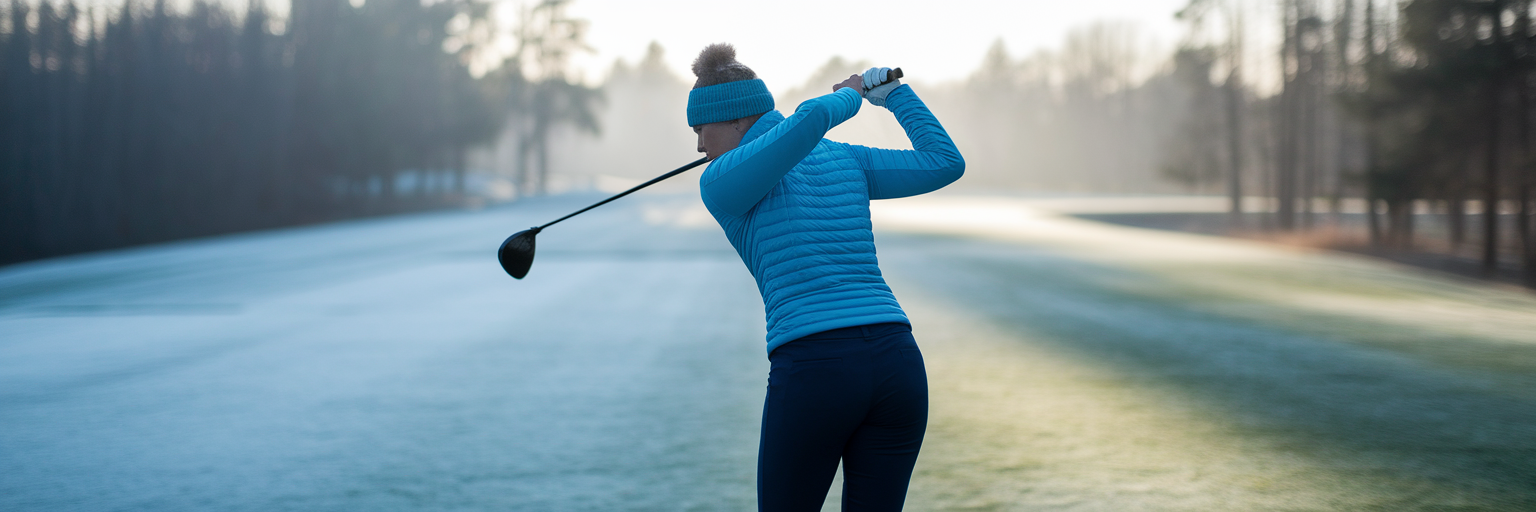
With stiff muscles and dense air working against you, trying to swing with maximum power is a recipe for a bad shot. The key to a successful golf swing in cold weather is to adjust your technique and strategy. Instead of fighting the conditions, work with them. These practical winter golf swing tips will help you maintain control and consistency.
Swing Smoother, Not Harder
Your body is naturally less flexible in the cold, so forget about trying to swing out of your shoes. Focus on a smooth, even tempo. Think "75% effort" on every shot. A controlled, balanced swing will produce much better contact and more predictable results than a forced, aggressive one. Solid contact is far more important than raw power when the temperature drops.
Club Up for More Distance
This is one of the simplest and most effective adjustments you can make. "Clubbing up" means selecting a longer club than you normally would for a given distance. For example, if you would typically hit a 7-iron from 150 yards, take out your 6-iron instead. This simple change helps you solve how to hit a golf ball farther in winter without swinging harder. It compensates for the distance lost to the cold air and allows you to make that smoother, 75% swing while still reaching your target.
Widen Your Stance for Stability
Winter ground can be hard, frozen, or even a little slippery. To create a more stable base, widen your stance by an inch or two. This provides better balance throughout your swing, helping you stay grounded and preventing slips. You might also try moving the ball slightly back in your stance. This encourages a downward strike, ensuring you hit the ball first before the turf for cleaner contact.
Layering for Flexibility and Warmth
One of the most common mistakes golfers make in winter is wearing a single, bulky jacket. While it keeps you warm, it can severely restrict your swing, especially your shoulder and torso rotation. The secret to staying warm without sacrificing mobility is layering. Knowing what clothes to wear for winter golf is a game of strategy.
A three-layer system allows you to adapt to changing conditions by adding or removing layers as needed. Modern performance fabrics are designed to provide warmth without the bulk of traditional materials.
- Base Layer: Start with a snug, moisture-wicking base layer. This pulls sweat away from your skin, which is crucial for staying dry and warm. Look for materials like merino wool or synthetic blends.
- Mid-Layer: Your second layer is for insulation. A fleece pullover or a technical quarter-zip provides warmth while still allowing for a free range of motion.
- Outer Layer: The final layer should be a lightweight, windproof, and water-resistant shell. A gilet, or vest, is an excellent choice because it keeps your core warm while leaving your arms completely free to swing.
Do not forget your extremities. A warm beanie or winter hat will prevent heat loss from your head, and a good pair of thermal golf socks will keep your feet comfortable for all 18 holes.
Essential Gear and Grip Adjustments for the Cold

Your hands are your connection to the club, but they are often the first to suffer in the cold. When your hands are numb, you lose feel and grip strength, which makes controlling the club nearly impossible. A few gear adjustments can make a world of difference.
Start by investing in a pair of winter-specific golf gloves. They are thicker than standard gloves and are often sold in pairs so you can keep both hands warm. For extra warmth, keep a couple of disposable hand warmers in your pockets. Using them between shots will help maintain feeling and dexterity in your fingers.
With cold hands and slicker grips, there is a natural tendency to squeeze the club too tightly. This creates tension in your arms and ruins your tempo. Make a conscious effort to maintain a firm but relaxed grip pressure. A lighter touch will improve your feel and promote a smoother swing.
Finally, consider the ball you are playing. A golf ball with a softer cover will compress more easily in cold temperatures. This can help you regain some of the feel and distance you lose when the mercury drops. It is a small change that can lead to better performance on the green.
Your Winning Winter Game Plan
Winter golf is a different kind of game. It rewards strategy and finesse over brute force. By embracing the conditions instead of fighting them, you can enjoy the sport all year long. Remember the key adjustments: always warm up properly, swing smoother and not harder, club up to compensate for lost distance, and dress in smart layers for warmth and flexibility.
Accept that your scores might be a little higher and focus on enjoying the unique challenge and quiet beauty of the course in winter. The satisfaction of a purely struck iron shot on a crisp morning is something special. With these adjustments, you will see that learning how to play golf is a year-round journey of improvement and enjoyment. Now go out there and have a great round.
 English
  German