
Playing Golf in Winter Without Freezing
Embracing the Quiet Season on the Course
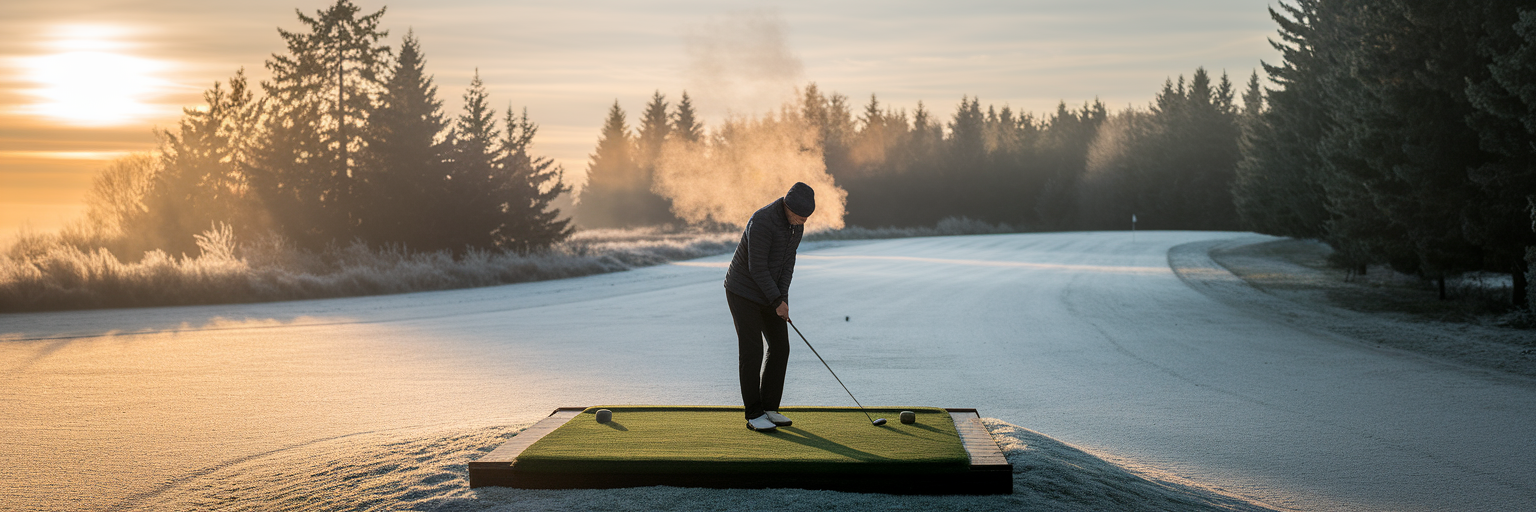
When the temperature drops, many golfers pack their clubs away until spring. But for a beginner, the winter months offer a unique advantage. The courses are quieter and less crowded, creating a relaxed, pressure-free environment perfect for practice. You can take your time with each shot, focus on your form, and truly learn the rhythm of the game without feeling rushed. Modern advancements in golf apparel have made playing in the cold more comfortable than ever, so staying warm is no longer a major hurdle.
With just a few key pieces of winter golf gear for beginners, you can transform the chilly season into a productive and enjoyable part of your golfing year. This guide will walk you through the essentials, from smart clothing choices to equipment adjustments, ensuring you feel confident and prepared. Mastering the cold is a big step in learning how to play golf with confidence in any condition.
The Foundation of Warmth: Smart Layering
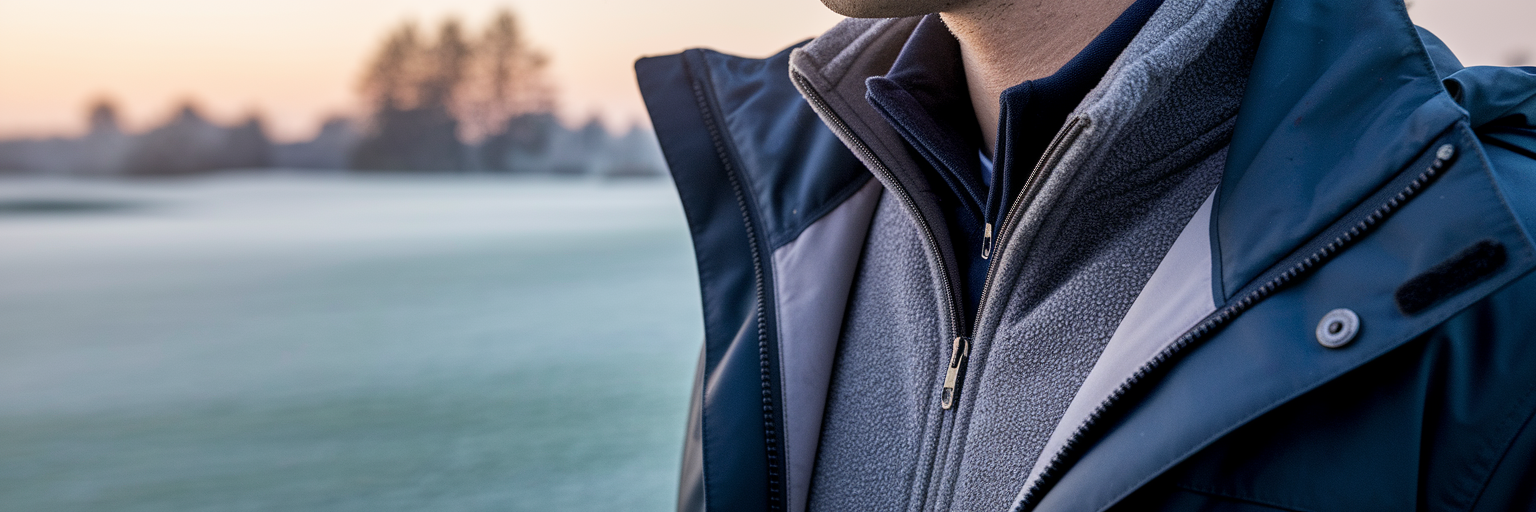
The secret to staying comfortable during a winter round is not about wearing one big, bulky jacket. Instead, it is about a smart, three-layer system that traps heat while wicking away moisture. This approach gives you the flexibility to add or remove layers as your body temperature changes or the weather shifts. The goal is to maintain warmth without restricting your swing, which is why choosing the right cold weather golf clothes is so important.
The Base Layer: Your Second Skin
Think of the base layer as your foundation for warmth. Its primary job is not to insulate but to pull sweat away from your skin. When moisture sits on your skin, it gets cold and lowers your body temperature. This is why you should always avoid cotton, which absorbs sweat like a sponge. Instead, choose a snug-fitting shirt made from synthetic fabrics like polyester or natural fibres like Merino wool. These materials wick moisture away, keeping you dry and comfortable from the first tee to the last.
The Mid-Layer: The Engine of Insulation
This is your main insulating layer. Its purpose is to trap the body heat you generate, creating a warm pocket of air around your torso. A fleece pullover, a quarter-zip sweater, or a lightweight insulated vest are all excellent choices. These materials provide significant warmth without adding the bulk that can interfere with your swing. A vest is particularly useful because it keeps your core warm while leaving your arms completely free for a smooth, unrestricted motion.
The Outer Layer: Your Shield Against the Elements
Your outermost layer is your defence against wind and rain. A quality outer layer should be both waterproof and breathable. Waterproofing keeps you dry from external moisture, while breathability allows the sweat wicked by your base layer to escape. Without it, moisture gets trapped, and you will end up feeling damp and cold from the inside. Look for jackets made with technical fabrics like Gore-Tex that offer protection without making you feel like you are wearing a plastic bag. This three-part system is a proven strategy, and as a winter golf guide from Decathlon highlights, it is the key to balancing warmth with freedom of movement.
| Layer | Primary Function | Recommended Materials | What to Avoid |
|---|---|---|---|
| Base Layer | Wicks sweat away from skin | Synthetic fabrics (polyester, nylon), Merino wool | Cotton (absorbs moisture) |
| Mid-Layer | Provides insulation by trapping body heat | Fleece, down vests, thermal pullovers | Bulky, restrictive sweaters |
| Outer Layer | Blocks wind and rain while allowing moisture to escape | Gore-Tex or similar waterproof, breathable fabrics | Non-breathable rain jackets |
Keeping Your Hands and Head Protected
When you are deciding what to wear for winter golf, do not forget your extremities. Your hands and head are often the first to feel the cold, and protecting them is essential for both comfort and performance. Cold hands become stiff, which leads to a weaker grip and a significant loss of feel for the club. This makes it nearly impossible to control your shots, especially around the green.
The best winter golf gloves are designed to solve this problem. They typically come in pairs and feature a thermal lining on the back of the hand for warmth, combined with a thinner, synthetic palm to ensure you can still maintain a secure grip. A great tip is to keep a pair of thicker winter mittens in your bag to wear between shots. You can also tuck a disposable or reusable hand warmer inside them for an extra boost of warmth while you walk to your next ball.
Protecting your head is just as important, as you lose a surprising amount of body heat through it. A thermal beanie or an insulated cap will keep you warm and focused. Another fantastic option is a snood or neck gaiter. It protects your neck and ears from biting wind and can be pulled up over your face for extra protection without the loose ends of a traditional scarf getting in the way of your swing.
The Right Footwear for Winter Ground

Winter golf presents unique challenges for your feet. The ground is often cold, wet, or even frozen, and standard golf shoes may not be up to the task. Your feet are the foundation of your swing, so keeping them warm, dry, and stable is non-negotiable. Investing in a good pair of winter-specific golf shoes or boots will make a world of difference to your comfort and your game.
Look for footwear with guaranteed waterproof uppers to keep morning dew and damp turf from seeping in. Nothing ends a round faster than cold, wet feet. Many winter golf shoes also feature thermal insulation to protect your feet from the cold ground, helping you stay comfortable for all 18 holes. Traction is another critical factor. On frosty or slick ground, a good grip is essential for stability during your swing. Shoes with soft spikes often provide the best traction in these conditions, though many modern spikeless designs also offer excellent grip and versatility.
To complete your footwear system, pair your shoes with thermal golf socks. Just like with your base layer, avoid cotton. Instead, choose a moisture-wicking wool blend that will keep your feet dry and warm, reinforcing the layering principles that keep your entire body comfortable.
Adapting Your Equipment for the Cold
Your clothing is not the only thing that needs to adapt to winter conditions. The cold weather also has a noticeable effect on your golf equipment, particularly the ball. Cold air is denser than warm air, which creates more drag and reduces how far the ball flies. As a Golf Digest survival guide notes, a good rule of thumb is that you will lose about one yard of carry distance for every 10-degree drop in temperature. Understanding this can save you a lot of frustration.
To counteract this, consider switching to a lower-compression golf ball. These balls are designed with a softer core that compresses more easily, which can help you regain some of that lost distance in the cold. A simple but effective trick is to keep the ball you are playing with in your pocket between holes to keep it slightly warmer. Also, remember that many courses restrict or ban golf carts during winter to protect the turf, so a lightweight stand bag is often a more practical choice than a heavy cart bag.
Finally, a few extra winter golf essentials in your bag can make your round much more pleasant:
- A towel: Essential for drying your grips and club faces from moisture.
- Brightly coloured golf balls: Yellow or orange balls are much easier to spot against frost or in fading light.
- A flask with a warm drink: A sip of hot tea or coffee can be a welcome comfort on a cold day.
Play with Confidence All Year Long
Winter golf is not about enduring the cold; it is about preparing for it with the right gear and a positive mindset. By adopting a smart layering system, protecting your hands and head, choosing the right footwear, and making small adjustments to your equipment, you can turn the off-season into a valuable part of your golfing journey. The quiet fairways provide a perfect classroom for improvement, allowing you to build skills and confidence without pressure.
Embrace the unique peacefulness of a winter round and use the season to deepen your connection to the game. With the right preparation, you will not just be surviving the cold, you will be thriving in it. This proactive approach is a fundamental part of learning how to play golf well, ensuring you can enjoy the sport and continue your progress no matter the season.





 English
  German