
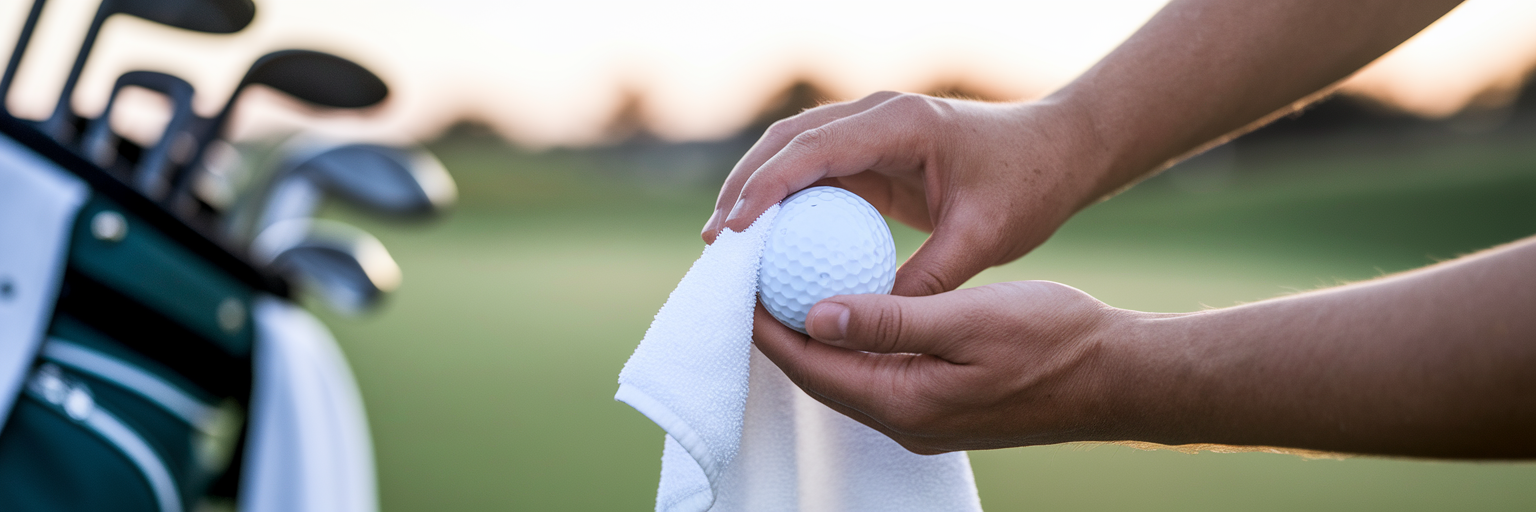
Simple Golf Ball Care for Better Performance and Savings
Learning how to play golf involves more than just perfecting your swing. It also means understanding your equipment, right down to the golf ball itself. Taking a moment to care for your golf balls is a small habit that pays off with better shots and real savings, helping you feel more confident and prepared on the course.
Why Bother Cleaning Your Golf Balls?
At first glance, cleaning a golf ball might seem like a minor detail. But those dimples are not just for show. They are precisely engineered to help the ball fly straight and true. When they get clogged with dirt or grass, the ball's performance suffers. This is why clean golf balls are so important for consistent play. Considering that a premium ball can be a notable investment, maintaining them is also a smart financial move. As users on the Titleist community forum note, a premium ball like the Titleist Pro V1x costs a fair amount, so making them last is just good sense. Think of it not as a chore, but as an easy win for your game and your wallet.
How Dirt and Grime Affect Ball Performance
The science behind a golf ball's flight is fascinating. The dimples are designed to reduce air resistance, or drag, while creating lift. This allows the ball to travel farther and with more stability than a smooth ball ever could. When mud, sand, or grass fills these dimples, it disrupts that careful aerodynamic design. As studies cited by Golfballs.com explain, this accumulated grime interferes with the engineered airflow, which can reduce launch efficiency and create unpredictable spin.
What does this mean for your shot? A dirty ball simply will not perform as intended. You might notice a loss of distance off the tee because the ball is fighting more air resistance. On approach shots into the green, the spin you need to stop the ball can become inconsistent. Even on the putting green, a small clump of dried mud can send your putt veering offline. It is like trying to drive a car with muddy, unbalanced tires. No matter how good the engine is, you will not get the performance you expect. A clean ball gives your swing the best possible chance to produce a great result.
On-Course Cleaning Rules and Etiquette
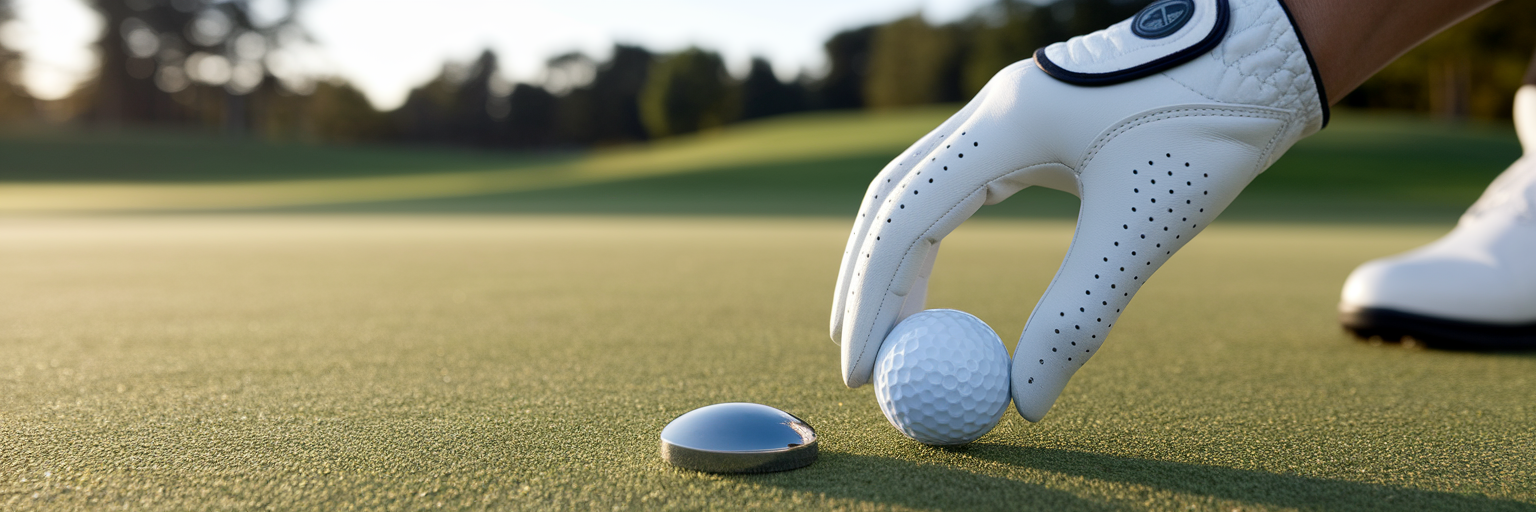
Knowing when you can and cannot clean your ball during a round is a key piece of golf etiquette that helps new players feel more at ease. The Rules of Golf are specific about this to ensure fair play. You cannot just pick up your ball and wipe it down whenever you feel like it. However, there are several moments when it is perfectly acceptable.
As Golf.com outlines, The Rules of Golf permit ball cleaning in these specific situations:
- On the putting green: Once your ball is on the green, you can mark its position, lift it, and clean it.
- When identifying your ball: If you need to lift your ball to make sure it is yours, you are allowed to clean it, but only as much as needed for identification. Remember to mark its spot first.
- Between holes: You can clean your ball after finishing a hole and before you tee off on the next one.
Most courses provide ball washing stations near the tee boxes. Make a habit of using them before you start each hole. Understanding these simple rules is a great way to build confidence and show respect for the game.
Your Guide to Cleaning Golf Balls at Home
Cleaning your golf balls after a round is a simple task that ensures they are ready for your next game. The best way to clean golf balls at home is often the simplest. For most day-to-day grime, a bucket of warm water and a little dish soap will do the trick. Here is a straightforward process:
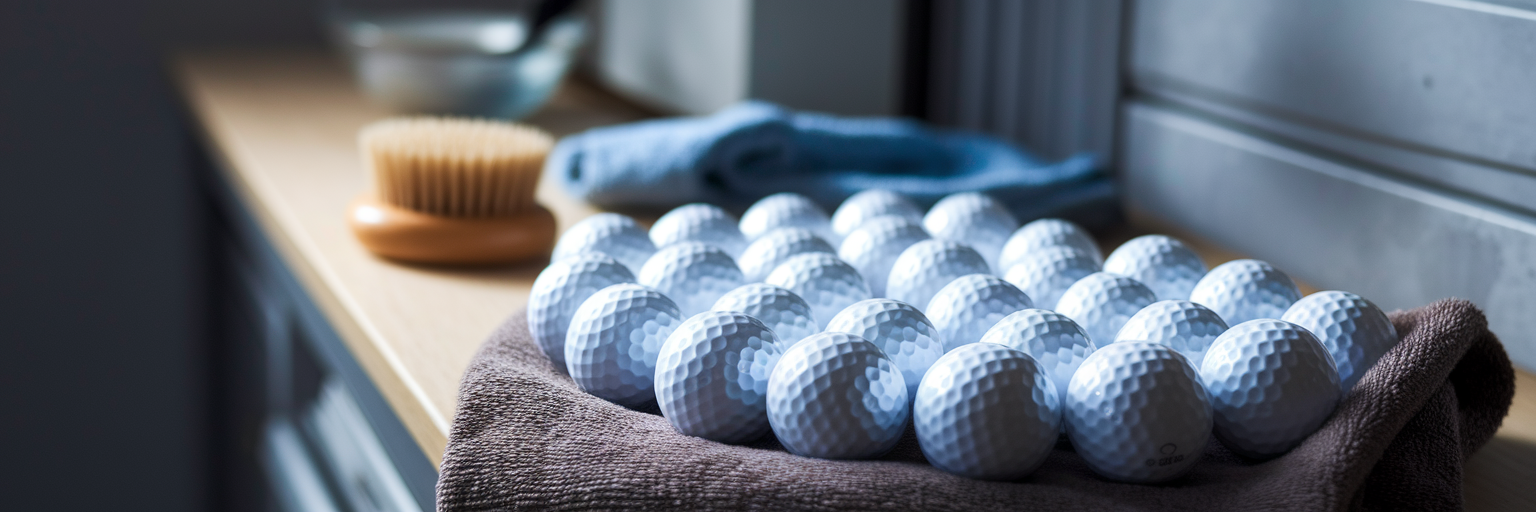
- Soak: Fill a bucket with warm water and a few drops of dish soap. Let your golf balls soak for about 15 to 20 minutes to loosen the dirt.
- Scrub: Use a soft-bristled brush, like a vegetable brush or an old toothbrush, to gently scrub the dirt out of the dimples.
- Rinse: Rinse the balls thoroughly under clean water to remove any soap residue.
- Dry: Pat them dry with a towel and let them air dry completely before storing them.
If you have a large number of practice balls to clean, a dishwasher can be a great time-saver. Just place the balls securely in the top rack, perhaps in a mesh laundry bag, and run a cycle without any dishes. This is an effective method for how to clean golf balls in bulk. For those looking to go the extra mile, some products offer a wax-based coating to help repel dirt in the future.
Comparing At-Home Golf Ball Cleaning Methods
| Method | Best For | Pros | Cons |
|---|---|---|---|
| Warm Water & Soap | Regular, small-batch cleaning | Gentle on the ball's cover; removes most grime effectively. | Can be time-consuming for large quantities. |
| Dishwasher (Top Rack) | Cleaning many practice balls at once | Very time-efficient; requires minimal effort. | Must be run without dishes; risk of damage if not secured properly. |
| Spot Treatment (Acetone) | Stubborn scuff marks | Effective on tough stains like cart path marks. | Can damage the ball's cover if overused. |
Note: This table compares common cleaning methods for effectiveness and convenience. Always start with the gentlest method (warm water and soap) before trying more aggressive options.
Handling Tough Stains and Smart Storage
Sometimes, a simple soak is not enough to remove stubborn marks like scuffs from a cart path or permanent marker. For these tough spots, you can use a small amount of acetone, like nail polish remover, on a cloth. Gently rub the spot until the mark disappears. Be careful with this method, as using too much acetone can damage the ball's outer cover. It is best reserved for occasional spot treatments.
Once your balls are clean, proper storage is the final step. One of the most important golf ball maintenance tips is to ensure they are completely dry before you put them away. As experts at TGW recommend, towel-drying each ball and storing it in a low-humidity environment helps preserve its performance. Trapped moisture can lead to mold or even damage the ball's internal layers over time. Avoid storing your golf balls in a damp garage or the trunk of your car, where extreme temperatures can affect their core and cover. A simple bag in an indoor closet is the perfect place to keep them safe and ready for action.
The Payoff: Better Shots and More Money in Your Pocket
Incorporating ball cleaning into your routine is a small effort with a big return. A clean ball flies truer, spins more predictably, and rolls more smoothly on the green. This simple act gives every swing you make the best possible chance for a good outcome. Beyond performance, you will also save money. Learning how to make golf balls last longer means you are not constantly buying new ones, freeing up your budget for things like green fees or a lesson with a pro.
Ultimately, taking care of your equipment is a fundamental part of learning how to play golf. It builds discipline, boosts confidence, and deepens your appreciation for the game. So next time you finish a round, take a few minutes to clean your balls. Your scorecard and your wallet will thank you.



 English
  German