

Your Guide to Enjoying Golf in Cold Weather
Don't Let Winter End Your Golf Season
Golf’s origins trace back to Scotland, a country famous for its brisk, windy weather. This simple fact reminds us that golf was never meant to be just a warm-weather sport. The cold season offers a unique and rewarding way to enjoy the game, with quieter courses and crisp, fresh air. Instead of seeing winter as an obstacle, think of it as a chance to experience golf in its purest form.
This guide is designed to give you everything you need to play comfortably and effectively when the temperature drops. We will cover everything from clothing and equipment to on-course strategy. With the right preparation, you will find that playing golf in cold weather is not only possible but genuinely enjoyable. Learning how to play golf in various conditions is a fundamental part of becoming a confident, well-rounded player who can appreciate the game all year long.
Dressing Smartly for the Cold Fairway

The most common mistake beginners make in winter is wearing the wrong clothes. A bulky jacket might seem warm, but it can completely ruin your swing. The secret to how to stay warm playing golf without sacrificing mobility is a smart layering system. It is all about trapping heat while letting moisture escape.
The Three-Layer System for Core Warmth
Thinking in layers allows you to adjust your clothing as your body warms up or as conditions change during your round. Here is the simple, three-part approach to what to wear for winter golf:
- The Base Layer: This is the layer directly against your skin. Its job is to wick sweat away, keeping you dry. A damp base layer will make you cold, no matter what you wear on top.
- The Mid-Layer: This is your insulation layer. Its purpose is to trap your body heat. Materials like fleece or merino wool are perfect because they provide warmth without adding excessive bulk.
- The Outer Layer: This layer protects you from the elements. A good outer layer should be windproof and waterproof or water-resistant to block out wind and light rain, which are common on cold days.
Choosing the Right Fabrics
The material of your clothing is just as important as the layering itself. You have probably heard it before, but it is worth repeating: avoid cotton at all costs. Cotton acts like a sponge, absorbing moisture and holding it against your skin, which rapidly cools your body down. Instead, focus on technical fabrics designed for performance.
| Material | Key Benefit | Best Use (Layer) | Why It Works for Golf |
|---|---|---|---|
| Merino Wool | Warmth without bulk, moisture-wicking | Base or Mid-Layer | Stays warm even when damp and is naturally odour-resistant. |
| Synthetic (Polyester/Nylon) | Excellent moisture-wicking, durable | Base or Outer Layer | Pulls sweat away from the skin effectively, keeping you dry and warm. |
| Fleece | Lightweight insulation | Mid-Layer | Traps body heat efficiently without restricting your golf swing. |
| Down/Synthetic Fill | Maximum warmth for low activity | Outer Layer (Vest) | Provides superior core warmth, ideal in a vest to free up arm movement. |
| Cotton (To Avoid) | Absorbs moisture | Any Layer | Becomes wet, cold, and heavy, rapidly decreasing body temperature. |
Protecting Your Extremities
Your body loses a significant amount of heat through your head, hands, and feet. A warm beanie is non-negotiable. For your hands, consider a pair of thermal golf gloves or rain gloves, which offer a better grip than standard gloves in the cold. You can also keep a pair of winter mittens in your bag to wear between shots. Finally, invest in a good pair of insulated, moisture-wicking socks to keep your feet warm and dry.
Preparing Your Body and Equipment
Showing up to the first tee with cold muscles and unprepared gear is a recipe for a frustrating round. A few minutes of preparation before you even leave the house can make a world of difference in your performance and comfort.
The Essential Dynamic Warm-Up
Your muscles are tighter and more susceptible to injury in the cold. A static stretch, where you hold a position, can actually be counterproductive. Instead, focus on a dynamic warm-up to increase blood flow and prepare your body for the rotational movements of the golf swing. As highlighted in a guide from PGA.com, proper preparation is a key theme for cold-weather play. Try these simple exercises:
- Torso Rotations: Place a club across your shoulders and gently twist your upper body from side to side.
- Leg Swings: Hold onto your cart or bag for balance and swing each leg forward and backward, then side to side.
- Shoulder Turns: Hold a club in front of you and rotate your shoulders as if you were making a backswing and follow-through.
Caring for Your Clubs in the Cold
Cold temperatures affect your equipment, too. The grips on your clubs can become hard and slick, making them difficult to hold. It is a good practice to store your clubs indoors, not in the trunk of your car overnight, where they can become brittle. Before your round, wipe down the shafts and grips to remove any condensation that could make them slippery. This small step ensures you have a secure connection to the club for every shot. Keep in mind that golf balls also react to the cold, which is a perfect lead-in to adjusting your on-course strategy.
Adjusting Your Swing and Strategy
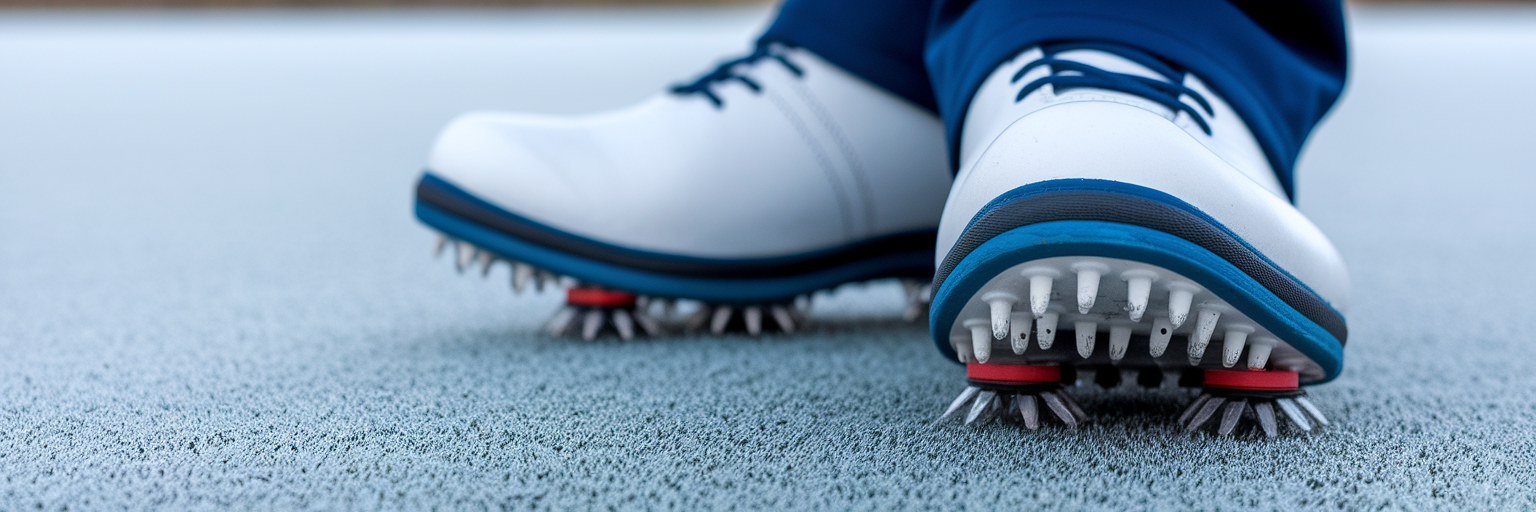
Once you are on the course, you will notice that the game itself feels different. The ball does not fly as far, and the ground is harder. Understanding these changes and adapting your strategy is one of the most important winter golf tips for beginners.
Understanding Cold Air's Impact on the Ball
The physics are simple: cold air is denser than warm air. This dense air creates more drag on the golf ball as it flies, which reduces both its carry distance and overall flight time. As Golf Digest's cold weather survival guide notes, you can expect to lose about one yard of carry for every 10°F drop in temperature. This means a shot that travels 150 yards in the summer might only go 140 yards or less in the winter.
Mastering the 'Club Up' Technique
To compensate for this loss of distance, you need to "club up." This simply means taking one more club than you normally would for a given distance. For example, if you would typically hit an 8-iron from 140 yards, you should choose a 7-iron in the cold. On very cold days, you might even need to club up by two clubs. It feels strange at first, but trusting this adjustment is key to getting your approach shots to the green.
Prioritizing Tempo Over Power
With extra layers on and colder muscles, trying to swing at 100% power is a common mistake. It often leads to poor balance, loss of timing, and mishits. Instead, focus on a smooth, controlled cold weather golf swing. Think about making a three-quarter swing with great tempo rather than a full, aggressive one. A well-struck shot with less power will always perform better than a poorly-struck one where you tried to force it. Also, be mindful of your footing on frosty or damp turf. Winter-specific golf shoes with good traction can prevent slips and help you maintain a stable base.
Fueling and Hydrating for Winter Rounds
Many golfers think hydration is only for hot summer days, but it is just as critical in the cold. Your body is working harder than you realize just to stay warm, and you still lose fluids through breathing and physical exertion. Proper fueling and hydration will keep your energy levels up and your mind sharp from the first tee to the final putt.
A fantastic tip is to bring a thermos with a warm, non-alcoholic beverage. A warm drink like herbal tea or even a simple broth does double duty: it hydrates you while also helping to maintain your core body temperature. Sipping on something warm between holes can be a huge comfort and a welcome boost. Your body also burns more calories in the cold to generate heat, so packing the right snacks is essential for maintaining energy. Good options include:
- Nuts and seeds
- Trail mix
- Energy bars or protein bars
- A banana for easily digestible carbohydrates
Thinking about what you eat and drink is part of a complete strategy for playing well in the cold. It ensures your body and mind are performing at their best, even when the weather is not.
Embrace the Quiet Season of Golf
Playing golf in the winter is not about surviving; it is about thriving. By preparing properly, you can turn the cold season into one of the most enjoyable times to be on the course. The fairways are less crowded, the pace of play is often faster, and there is a unique, peaceful beauty to a golf course in the crisp winter air.
Let’s recap the most important winter golf tips for beginners:
- Dress in smart layers to stay warm without restricting your swing.
- Perform a dynamic warm-up to prevent injury and prepare your muscles.
- Club up on your shots to account for the shorter ball flight in cold air.
- Stay fueled and hydrated to keep your energy and focus high.
Every round you play in different conditions builds your confidence and deepens your understanding of the game. Embracing the challenges of the cold will make you a more resilient and adaptable player. As you continue to learn how to play golf, remember that the game is a year-round journey, and we are here to support you every step of the way.
 English
  German